

History’s “why?”, told in pictures and sources
History gets better with every page.
Stories told a picture and a few lines at a time.
Ask when you are curious, and follow the sources.
15 stories, all free. No sign-up needed to read.
See it in action
-
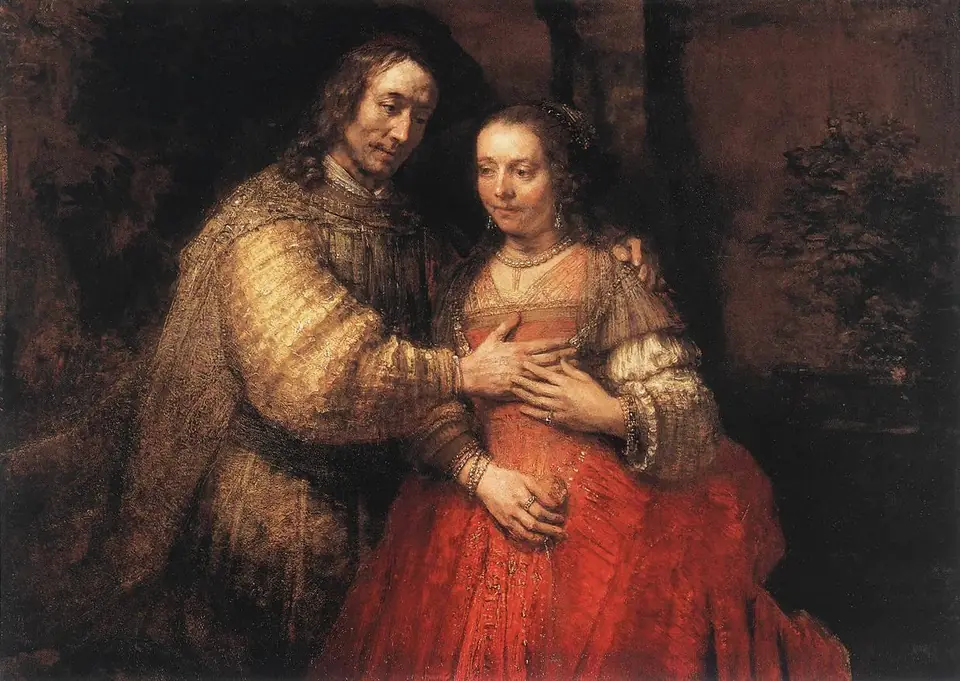 Rembrandt, The Jewish Bride, c. 1665–69 This red is an insect.
Rembrandt's Jewish Bride — a masterpiece of the 1660s. The color of that red dress is an insect.
[Reproduction] Rembrandt, “The Jewish Bride” · Rijksmuseum / Web Gallery of Art · Public domain
What you can do on AskStoria
-
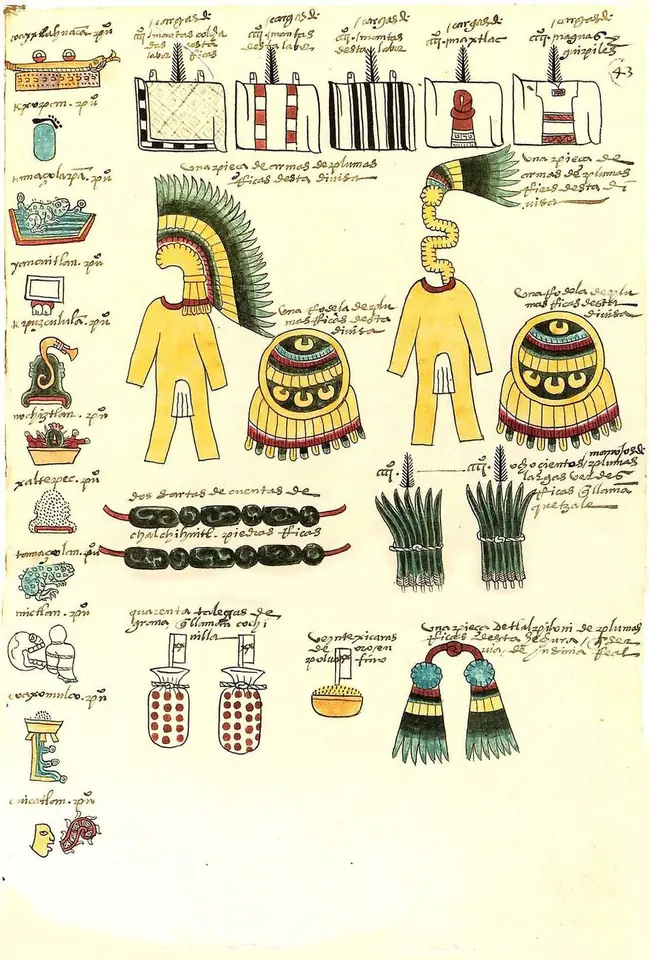
 Fifty buckets of urineHe was collecting a massive amount of “urine” — as many as 50 buckets, hundreds of liters.
01Easy to read
A picture and a few lines. That is a page.
Text-heavy history books are easy to abandon. AskStoria gives each page one picture or photo and a few lines, so you flip through like a comic.
[Created for this story] Explanatory illustration · Not a historical reconstruction
-
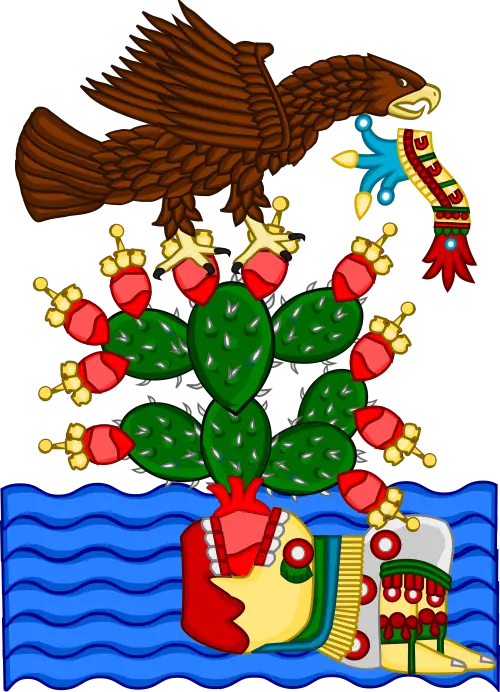
When was the Aztec state founded?
02Ask
Ask, and the answer comes back illustrated.
Books and videos follow a fixed order. AskStoria searches the sources for your question and builds illustrated pages on the spot.
[Reproduction] Ludovicus Ferdinandus et al. · CC BY-SA 3.0 · resized
-
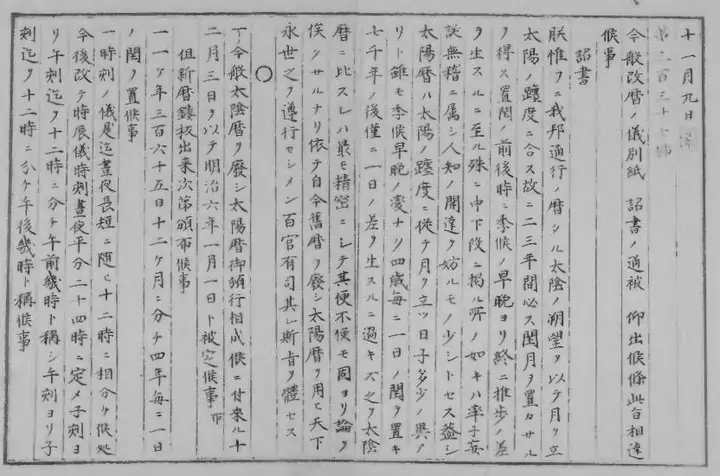 Original at the National Archives of Japan
03Check
Surprising stories, traced to their sources.
Underlined sentences carry the sources they rest on. In stories and answers alike, click or tap one to open the original text and see for yourself.
[Original] National Archives of Japan · 9 December 1872 · Public domain
-
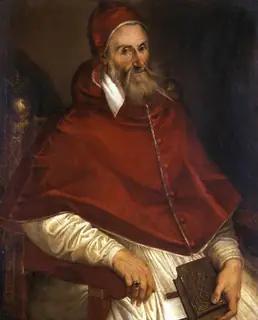 TermGregorian calendar
 TermCochineal
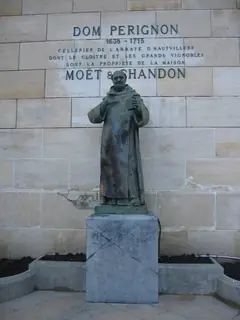 PersonDom Pérignon
04Collect
Every word you meet stays in your Collection.
People and terms you meet in a story are kept as cards in your Collection. The more you read, the fuller it gets, so you can see what you now know.
[Original] Attributed to Bartolomeo Passarotti, c. 1586 · Public domain / [Original] Jengod · CC BY-SA 4.0 · resized and cropped / [Reproduction] Tomas er · CC BY-SA 4.0 · resized and cropped